
Why Nancy Botwin is the Most Fascinating Antiheroine in Television History
Nancy Botwin from Weeds redefined the television antiheroine. Discover why her intelligence, flaws, charisma, and moral complexity make her one of TV's most unforgettable protagonists.
WEEDSCOMFORT SHOW
7/24/20264 min read
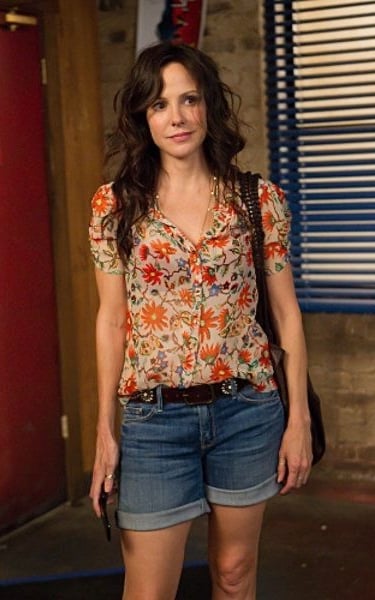
Why Nancy Botwin is Television's Most Fascinating Antiheroine
If television has taught us anything, it's that audiences love morally complicated characters. We embraced Tony Soprano despite his brutality and gangster ideals. We rooted for Dexter Morgan even though he was a serial killer. Walter White became one of the most iconic protagonists in television history despite transforming into a ruthless drug kingpin.
But long before many modern antiheroes dominated prestige television, Nancy Botwin was quietly blazing her own trail.
The suburban widow turned marijuana dealer from Weeds remains one of television's greatest antiheroines because she refuses to fit neatly into the roles society expects women to play. She is nurturing and reckless, fiercely loyal and deeply selfish, intelligent and impulsive-all at the same time.
That complexity is exactly what makes her unforgettable.
She Refuses to Stay a Victim
When Weeds begins, Nancy has every reason to fall apart.
Her husband dies unexpectedly, leaving her to raise two sons while struggling financially in an affluent California suburb. Most television dramas would have turned this into a story about rebuilding through hard work and perseverance.
Nancy chooses another path entirely.
She starts selling weed.
It's an objectively terrible idea-and yet it perfectly establishes who she is as a character. Nancy isn't interested in playing by society's rules when those rules aren't working for her.
Instead of waiting for someone to rescue her, she creates her own opportunities, even if they're wildly illegal.
That willingness to take control of her circumstances is one of the reasons she becomes a compelling protagonist.
She is Brilliant at Reinventing Herself
Few television characters reinvent themselves as often as Nancy Botwin.
Throughout the series she transforms from:
-A suburban soccer mom
-A neighborhood weed dealer
-A major player in organized drug trafficking
-A fugitive
-A businesswoman
-Someone constantly adapting to survive impossible situations
Every season strips away another layer of her old identity.
Nancy never stays comfortable for long because her own decisions force her into entirely new worlds.
Watching her evolve is one of the most entertaining parts of Weeds. She is constantly improvising, bluffing, negotiating, and finding creative ways to stay alive.
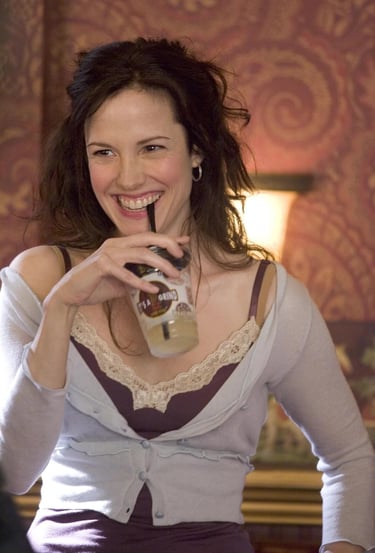
She is Her Own Worst Enemy
Great antiheroes aren't destroyed by villains.
They're destroyed by themselves.
Nancy repeatedly makes decisions that complicate her life in ways that seems almost impossible to recover from.
She lies when honestly would help.
She trusts dangerous people.
She chases excitement.
She ignores obvious warning signs.
Just when things begin improving, Nancy often sabotages herself.
Her flaws aren't minor personality quirks-they actively drive the plot.
That's what makes her feel so human.
She isn't simply unlucky.
She creates many of the disasters she later has to escape.
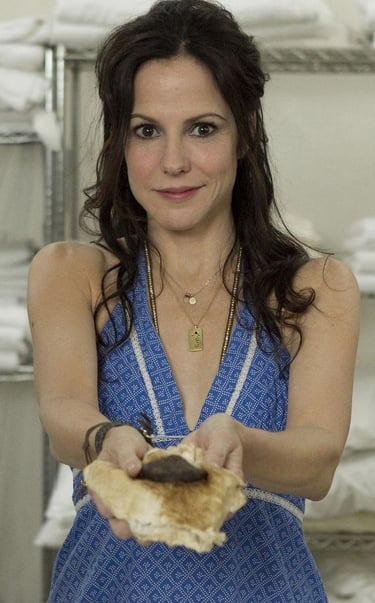
She is Incredibly Charismatic
Nancy has a remarkable ability to convince people to follow her.
Whether she's negotiating with criminals, manipulating law enforcement, charming customers, or navigating dangerous relationships, she possesses an almost magnetic confidence.
Even when viewers know she's making terrible decisions, it's difficult not to understand why other characters became drawn to her.
Mary-Louise Parker's performance deserves enormous credit for this.
She gives Nancy warmth, vulnerability, wit, and confidence in equal measure, allowing audiences to remain invested even when Nancy becomes increasingly difficult to defend.
She Challenges Expectations of Female Characters
When Weeds premiered, television still offered relatively few female leads who were allowed to be this morally messy.
Nancy isn't written as a perfect mother.
She isn't a perfect businesswoman.
She isn't a perfect romantic partner.
She isn't trying to be.
Instead, she's allowed to be ambitious, selfish, sexual, manipulative, courageous, impulsive, and deeply flawed.
Male antiheroes had long been granted that kind of narrative freedom.
Nancy helped prove that female characters could carry equally complex stories.
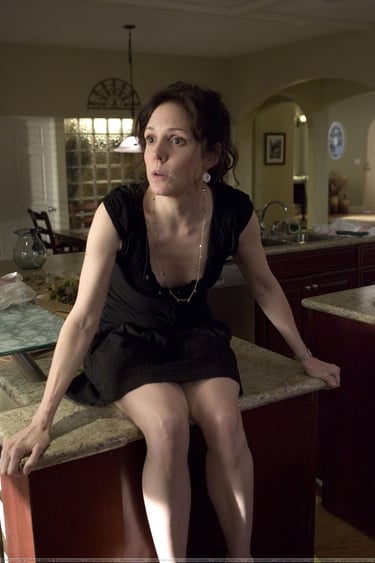
She Loves Her Family-Even When She Hurts Them
Nancy's greatest contradiction is that nearly everything she does begins with wanting to provide for her family.
But somewhere along the way, survival becomes ambition.
Ambition becomes power.
Power becomes addiction.
The lines blur.
She genuinely loves Silas and Shane, yet many of her decisions place them directly in harm's way.
That tension makes Nancy fascinating because her motivations aren't purely selfish or purely noble.
They're constantly shifting.
She wants safety.
She wants excitement.
She wants control.
Sometimes those desires completely contradict one another.
She Never Stops Moving
One thing that separates Nancy from many television protagonists is that she rarely gets to settle.
Every time stability appears within reach, another consequence from her past catches up with her.
The series constantly reinvents itself because Nancy's choices force continual change.
Some fans love this evolution.
Others miss the early suburban seasons.
Regardless of where you stand, it's difficult to argue that Nancy's life is ever boring.
She's Impossible to Categorize
Hero?
Not really.
Villain?
Not exactly.
Nancy Botwin occupies the uncomfortable space in between.
She is capable of kindness and cruelty, wisdom and recklessness, selflessness and manipulation-sometimes all within the same episode.
That moral ambiguity is what defines an antihero.
She isn't someone we admire because she's good.
She's someone we can't stop watching because she's fascinating.
Final Thoughts
Nancy Botwin remains one of television's greatest antiheroines because she refuses to be simple.
She is ambitious enough to build an empire, reckless enough to destroy it, clever enough to escape impossible situations, and flawed enough to repeat many of the same mistakes.
She challenges traditional ideas about motherhood, femininity, morality, and survival while delivering one of the most entertaining character journeys television has ever produced.
You don't always agree with Nancy.
You often want to yell at your television because of her decisions.
But you almost always want to know what she'll do next.
And that's the mark of a truly unforgettable antiheroine.